
Recent shifts in tea drinking have led more businesses to ask whether now is the time to enter the world of private label tea. Trends during and shortly after COVID showed an uptick in at-home tea consumption associated with tea’s health boosting and anti-stress benefits. Large swaths of younger consumers are also moving away from alcohol towards healthier beverage alternatives, and specialty tea continues to be one of the stronger-growing segments within the tea industry. Before jumping on the private label bandwagon, a walk through some of the larger considerations can help the overall journey go smoother. It is worth taking time to consider the big picture issues related to FORMAT, FLAVOR, PACKAGING, and your relation to your private label PARTNER.
WHY PRIVATE LABEL TEA?
Those who decide to develop private label tea often do so for several reasons. Private label tea can help build new customers. A coffee shop, for example, might see two friends come in together, one ordering a cup of coffee and the other ordering tea. If that tea is not under the coffee shop’s label, the tea-drinking customer did not experience a full encounter with the shop’s brand, but instead got a product they may be able to get from any number of other providers. One of the two friends (the coffee drinker) interacted with the brand, creating a richer opportunity to build brand loyalty. The other friend did not.
Private label tea also offers convenience to existing and loyal customers. Consider how a bakery or pastry shop might add a line of private label teas to their offerings, knowing that teas and desserts are often enjoyed together. Building on this theme, their private label tea selection could include teas specifically created to pair with their desserts. Now the customer has one less stop on the shopping trip to find food and beverage that deliciously compliment each other.
FORMAT
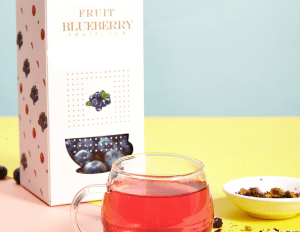
For private label tea, format more often refers to whether the tea is loose leaf, teabag, or ready-to-drink (RTD). There are other formats, like stick packs for instant tea powders, or options for foodservice, but loose leaf, teabag and RTD are the most common. Choice of format should match the preferences of the end customer. Does the customer want a quick and easy cup of tea with less messy cleanup? If so, a teabag would be a good fit. Is the customer a more experienced tea connoisseur who wants more control over the amount of leaf used and individual style of preparation? In that case, a loose leaf format would do well. Is the customer concerned about sustainability and reducing packaging? Does the customer base have particular lifestyle activities (athletics, gaming, etc.) that align with a bottle tea format? These are all examples of how private label tea format needs to fit with the brand and the needs of the end user.
FLAVOR
The reason mainstream tea retailers offer Earl Grey tea is because mainstream tea customers recognize and buy Earl Grey tea. When choosing tea flavors for a private label line of teas, it is important to anticipate what flavors will be the bread-and-butter teas that will do more of the heavy lifting in sales volume. Since there is no universally standardized recipe for teas like Earl Grey, a private label customer is free to offer their “take” on this and other classic teas. For example, the black tea that serves as the base of Earl Grey can come from China, India, or any other origin (or combination thereof). Since bergamot flavoring can slightly vary in flavor and aroma, even classic teas can differ in profile from one brand to the next. Functional ingredients may also be added to a blended or flavored tea in order to highlight certain health benefits. Private label tea offers each brand a chance to create their own unique version of their teas.
Additionally, a private label tea line allows for the creation of seasonal tea options (another pumpkin spice anyone?) and the development of signature teas that cannot be found elsewhere. These unique offerings provide interest and variety that attract tea drinkers to check back to try new teas along with their steady repeat purchases.
An important point worth noting in creating tea flavors and blends is the choice of ingredients. Be wary of choosing ingredients that are seasonal or otherwise more difficult to procure. Not only do these ingredients increase the cost of blend, they can create problems in managing consistent supply over longer periods of time. Your private label partner can provide guidance in this area.
PACKAGING
Packaging creates the first impression of your tea product, so a well-designed package that resonates with your customers is an important component. The process of designing product packaging can be time consuming, but is usually worth it to make an attractive statement.
Aside from package aesthetics, functional considerations should also be reviewed. Printed zip-top pouches are economical, lightweight, and help keep the tea fresher after opening. However, a box or tin may be easier to stack neatly on a retail display shelf. Tins are durable, can be reused, and provide sturdy protection for the leaf inside. But tins can be easily dented, scuffed, or damaged during shipping to a customer’s home (a la online retail) unless they are sufficiently protected.
CHOOSING A PRIVATE LABEL PARTNER
The first step in creating your private label tea is finding a suitable partner. Among other things, partner(s) will be responsible for: sourcing ingredients and packaging materials, blending, packing, regulatory compliance, and preparing your products for shipping from their facilities. The process of vetting potential partners will likely reveal their relative strengths. Not all partners are set up with the machinery to run all product formats. They may have certain advantages in procuring ingredients from particular origins. Additional considerations include minimum production volumes and production scheduling/turnaround. Any reputable private label provider should also be able to provide guidance on necessary certifications and compliance, including standard practices for things like ingredient listing on packaging, nutrition labeling, best by dates, certifications (including kosher, organic, and the like), COAs (certificates of analysis), and information on their food safety practices.
Other aspects may fall outside the scope of your partner, and they may ask the client to be more involved in product design and procuring packaging. Package design can be a time consuming process, involving packaging producers, designers, and the manufacturer. Specialty packaging, or packaging that your partner may not regularly purchase, may also be the responsibility of the client to arrange. The private label partner may have some suggested designers or package providers to work with. If your private label teas will include health claims, legal services can help determine what product statements are permissible according to legal guidelines.
Creating a successful private label line of teas requires time, thoughtful consideration, and the help of a capable private label partner. In the areas of flavor, format, and packaging, tradeoffs will be necessary to find the optimal intersection of aesthetic, function, and value. When done well, private label tea attracts new and repeat customers while enhancing a business’s brand.