
WHAT MAKES MATCHA DIFFERENT?

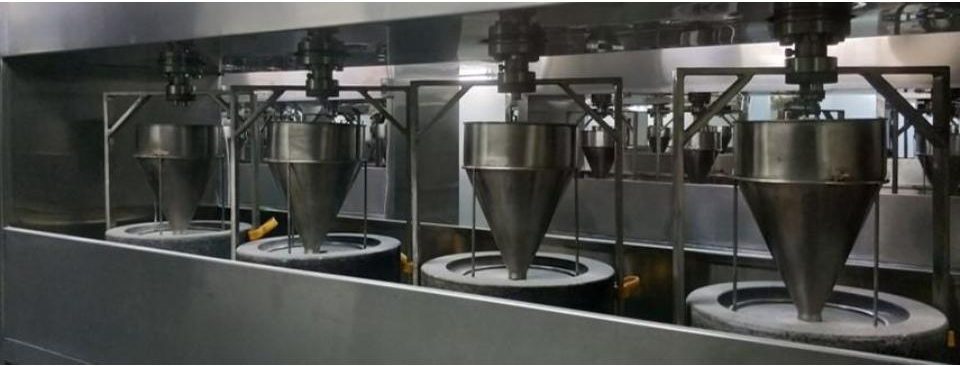
Shading concentrates more l-theanine, increasing umami flavor and cognitive boosting benefits. Steaming locks in EGCG, other powerful antioxidants, and vibrant green color. Stone Milling can produce 40 grams of matcha per hour. Milling areas are controlled for temperature and humidity.
HOW IS MATCHA MADE?

Our matcha milling includes a state-of-the-art Class 100,000 cleanroom, and an HTST (high temperature short time sterilizer) bacteria treatment system to strictly control microbial content during processing and ultra-fine grinding.
WHEN DID MATCHA BEGIN?
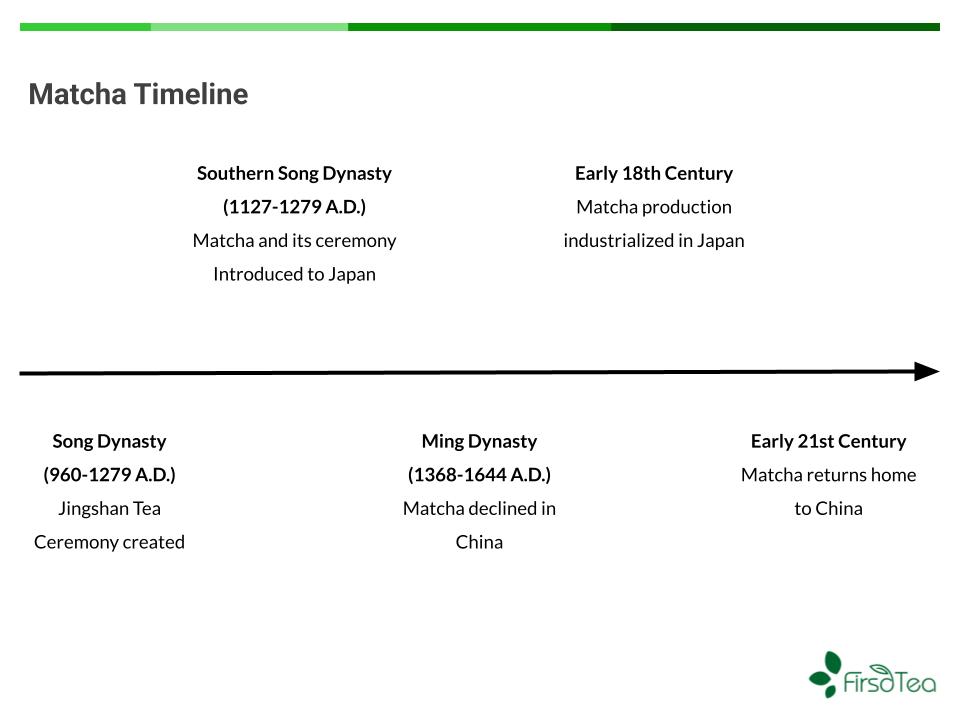
Matcha has a long history, with its early origins extending over 1,000 years. It was during the Song Dynasty (960-1279 CE) that the Jingshan Temple in modern day Zhejiang province became an epicenter of tea growing and Buddhist studies. Japanese monks studied there, and carried the Jingshan tea ceremony practices back to Japan. This ceremony continued to adapt and develop in Japan, eventually becoming distinctly Japanese matcha-focused.

Jingshan, in Zhejiang province, is located in the northeast peak of the Tianmu mountains. It is the area where Lu Yu, the Sage of Tea, wrote The Classic of Tea. It is also the place where Jingshan Temple was founded. The Jingshan Tea Ceremony began there, which contributed fundamental influence on early Japanese tea ceremonies as a representation of Chinese tea culture.
WHO WERE THE EARLY FOUNDERS OF MATCHA?

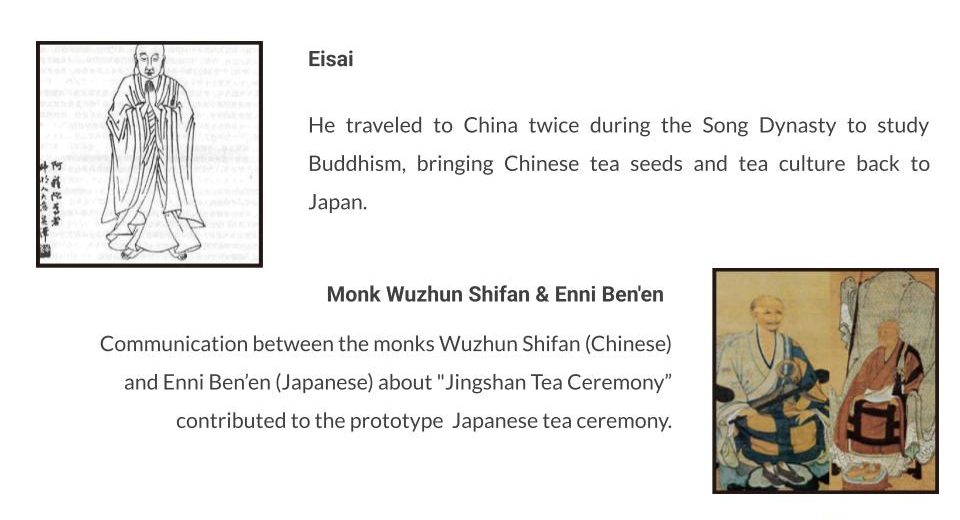
Over the years, many people have contributed to the development of matcha. Faqin (also known as Master Guoyi) worked to establish Jingshan temple and the tea traditions there in the mid- 700s CE. Around this same time period, the famous tea sage Lu Yu was writing The Classic of Tea (ChaJing), the earliest known treatise on preparing and appreciating tea. The Japanese monk Eisai began traveling to Buddhist temples as early as 1168 and returned to Japan with tea seeds and knowledge of Chinese tea culture. At that time in China, the standard method for preparing tea included milling tea leaves into powder. In the mid-1200s, Buddhist abbot Wuzhun Shifan of Jingshan Temple took Japanese monk Enni Ben’en as his disciple, and together they furthered the traditions of tea ceremony.
Firsd Tea North America sources from the top matcha-producing operations across China. As it currently stands, China produces over 60% of the world’s matcha, including match exported to Japan. For sourcing inquiries on matcha, contact your Firsd Tea representative or visit firsdtea.com.